Understanding the Value of Your Used Tech
Assessing the value of used electronic devices requires a comprehensive understanding of various influencing factors. These factors include brand popularity, the age of the device, its physical condition, and the prevailing market demand.
Brand strength is often a primary component in determining a gadget’s resale value. For instance, high-demand brands like Apple or Samsung typically maintain better resale values due to their established reputation and customer loyalty. Devices from lesser-known brands may not command similar prices, regardless of their functionality. Additionally, the age of an item plays a significant role; older models often depreciate more rapidly unless they reach vintage status. Heath of the device can significantly impact price; a well-maintained gadget with minimal wear and tear is likely to fetch a better price than one showing signs of damage or excessive use.
Market demand is another pivotal factor in evaluating electronics. The retail price of a new variant impacts how much consumers are willing to pay for used devices. Seasonal trends and new model launches can also affect this demand. When a new generation of smartphones or other devices is released, older models might see a quick drop in value as consumers seek the latest technology.
To determine the worth of your gadgets, various tools and resources are readily available. Online price calculators allow users to input specific details about their devices to receive an estimated resale value. Alternatively, browsing recent sales on major e-commerce platforms can offer a practical comparison to ascertain the market rate for similar items. These resources serve to increase understanding and ensure that sellers can confidently navigate the resale process with a well-informed valuation of their used tech.
Best Platforms for Selling Your Used Tech
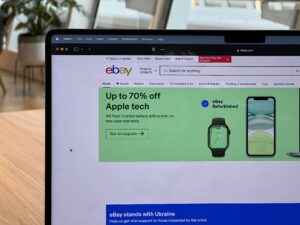
In today’s digital landscape, a plethora of platforms exists for individuals looking to sell their used technology, whether it’s old smartphones, laptops, or gaming consoles. Each platform offers distinct advantages and disadvantages that cater to various needs and preferences. One prominent option is online marketplaces like eBay and Amazon. These platforms provide wide exposure to a global audience, thus increasing chances of sale. However, they may charge fees that can cut into your profits and require sellers to manage their listings actively.
Another option is specialized tech buyback services such as Gazelle or Decluttr. These platforms typically offer hassle-free transactions, allowing sellers to quickly obtain quotes based on device condition. While the instant cash appeal is alluring, the buyback prices may often be lower compared to those offered in a private sale. Nonetheless, these services simplify the selling process, targeting busy individuals who may prioritize convenience over maximum profit.
For those preferring local transactions, platforms like Facebook Marketplace or Craigslist afford sellers the opportunity to connect directly with buyers in their area. These platforms eliminate shipping hassles and associated fees, enabling in-person sales. Nonetheless, they carry risks, such as the need for safe meeting arrangements and the potential for scams, making it crucial to exercise caution.
When choosing the right platform for selling your used tech, consider factors such as the type of product, urgency of sale, and familiarity with technology. High-demand items may fetch better prices on specialized platforms, while older tech might be better suited for local sales. Evaluating these elements will ensure a smoother and more profitable selling experience.
Preparing Your Devices for Sale
Before embarking on the journey of selling your used tech, it is imperative to prepare your devices meticulously. This preparatory stage not only enhances your chances of securing a successful sale, but it also ensures that your personal data remains protected. First and foremost, begin by conducting a thorough cleaning of your device. This includes wiping down surfaces to remove dust and smudges, which can significantly affect first impressions. Use a microfiber cloth for screens, and an appropriate cleaning solution free from harsh chemicals to safeguard your device.
Next, safeguarding your personal information is crucial. This involves performing a factory reset or restoring the device to its original settings. Before doing so, ensure you have backed up any important data. Removing SIM cards and memory cards, as well as logging out of any applications or services, further protects your privacy. By taking these precautions, you eliminate the risk of personal data falling into unintended hands, which is particularly vital in today’s digital landscape.
Taking high-quality photos is the next step that significantly enhances your listing. Ensure that your device is well-lit and the background is uncluttered to allow potential buyers to focus on the product itself. Include close-ups of critical features, such as ports and physical condition, to give buyers a comprehensive view. Moreover, crafting a compelling description is essential. Highlight the device’s specifications, condition, and any included accessories. Use clear language and avoid jargon to ensure your message is understandable.
Lastly, it is important to consider what potential buyers are looking for. Providing information about the device’s history, such as any repairs or modifications, can influence their decision. By presenting your used tech in the best light, accompanied by honest and detailed descriptions, you will attract more offers, thereby maximizing your chances of a profitable sale.
Navigating the Selling Process with Ease
When it comes to selling your used tech, a structured approach can significantly enhance your overall experience. The first step in the selling process is to prepare your device for listing. Ensure that it is clean, fully functional, and free from personal data by performing a factory reset. This not only attracts potential buyers but also showcases transparency in the sale.
Next, setting a fair price is crucial. Research similar devices based on their age, condition, and market demand to determine a competitive price point. Online platforms often have tools or calculators to assist in formulating a suitable price. An appropriate pricing strategy will improve your chances of a quick sale, balancing both your expectations and buyer considerations.
Once you have determined your price, it’s time to list your device. Choose reliable platforms that provide visibility to your offer. High-quality images and detailed descriptions greatly enhance interest, so invest time in crafting a compelling listing. Remember to highlight unique features or accessories that add value to your device.
As inquiries come in, effective communication becomes paramount. Be professional, prompt, and transparent with your responses to build trust with potential buyers. If interested buyers make offers, be prepared to negotiate. Having a clear understanding of your lowest acceptable price can help facilitate smoother discussions.
When concluding a sale, secure payment methods are vital for your safety. Options such as PayPal, bank transfers, or escrow services offer secure transactions that safeguard both buyer and seller. Furthermore, it’s beneficial to outline your return policy upfront to manage expectations and prevent future disputes. If complications arise, such as encountering scams or needing to handle returns, remaining calm and methodical will simplify the resolution process, ensuring a hassle-free experience.