Understanding the Market for Old Devices
As technology evolves rapidly, the market for old devices experiences significant fluctuations that sellers must navigate. Currently, there is a robust demand for various types of used gadgets, particularly smartphones, laptops, tablets, and gaming consoles. This demand is primarily fueled by consumers seeking budget-friendly options and businesses looking to reduce operational costs by purchasing refurbished items rather than brand-new devices.
The value of old devices is determined by several factors, including age, condition, brand reputation, and market trends. Generally, newer models retain greater resale value, while older models may need to be offered at substantially lower prices. Additionally, the working condition of the device plays a critical role. Devices that are still in excellent working order, with minimal cosmetic wear and tear, tend to command higher prices. Brands such as Apple and Samsung often have a more substantial resale market due to their popularity and perceived quality, further influencing valuations.
Market trends also play an essential role in determining prices. Seasonal demand cycles, product launches, and economic factors can affect how quickly and profitably old devices can be sold. For instance, the release of a new smartphone model may increase the urgency among consumers to purchase the latest gadget, thus pushing down the prices of older versions. Conversely, during economic downturns, consumers may prioritize purchasing used devices, resulting in increased competition and potentially higher prices for sellers.
By understanding these dynamics, individuals looking to sell their old devices can better position themselves in the marketplace. This knowledge allows for informed decisions regarding pricing, timing, and marketing strategies, ultimately ensuring that sellers can achieve the best returns on their gadgets.
Preparing Your Device for Sale
When contemplating the sale of your old devices, meticulous preparation is crucial to ensure a smooth transaction and a satisfactory outcome. This process begins with cleaning your device thoroughly. Utilizing a microfiber cloth and appropriate cleaning agents specific to the device will remove dust, fingerprints, and stubborn smudges, enhancing its visual appeal. A clean device not only looks more inviting but also gives potential buyers the impression that it has been well taken care of.
Next, restoring the device to factory settings is an essential step. This action ensures that all your personal data is erased, safeguarding your privacy and allowing the new owner to set it up as if it were freshly unboxed. To restore factory settings, navigate to the settings menu, find the relevant option, and follow the prompts. This process varies slightly by device type, so consulting the user manual or manufacturer’s website can be beneficial if you encounter any challenges.
In addition to erasing your data, it is prudent to remove any associated accounts, such as email and cloud storage, to prevent unauthorized access. This step is particularly important for smartphones and tablets, as it protects sensitive information and ensures the new user won’t face access issues. Once you have completed these steps, taking high-quality photos is advisable. Capture images from various angles and showcase any accessories included in the sale. Good lighting is integral to producing sharp and appealing images, which can attract buyers more effectively.
By following these preparation steps, you not only enhance the attractiveness of your device but also foster trust with potential buyers. A well-prepared device is likely to sell faster, making the overall selling experience more rewarding.
Where to Sell Your Old Devices
When it comes to selling your old devices, there are multiple platforms available, each offering unique advantages and disadvantages. Understanding these options is crucial for maximizing your sale while ensuring a quick transaction.
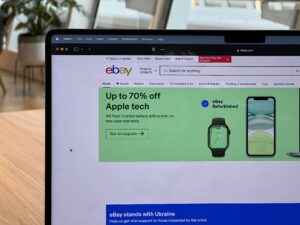
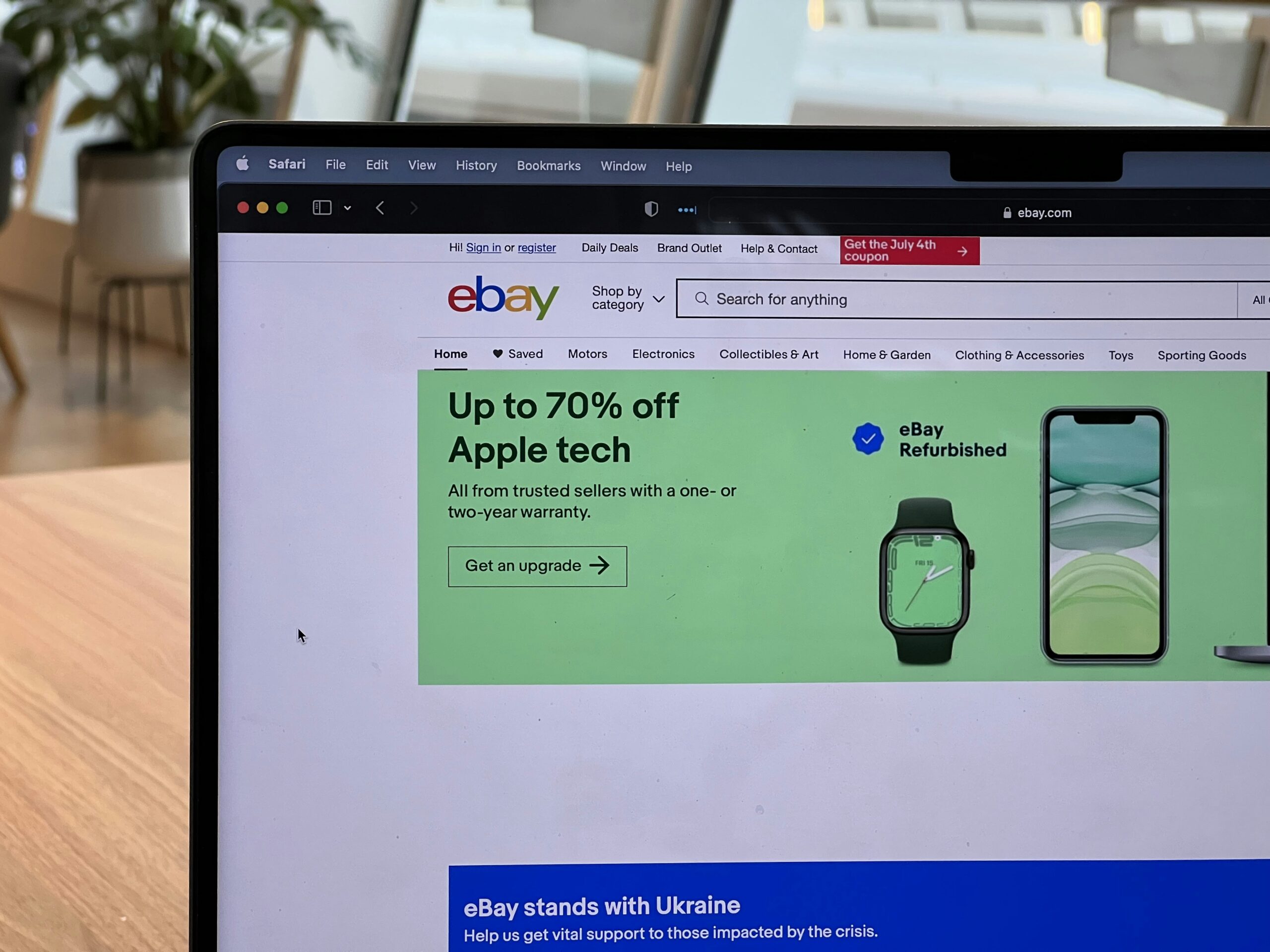
Online marketplaces, such as eBay and Craigslist, are popular choices among individuals looking to sell used electronics. eBay provides a global reach and the opportunity to set an auction or fixed price. Sellers can reach a wider audience, which often leads to better pricing. However, eBay does charge seller fees, and listing an item may require time and effort to create an appealing listing. Craigslist, on the other hand, allows for local sales, eliminating shipping costs but also reducing the audience size. Transactions are made directly between the buyer and seller, which can sometimes lead to negotiation challenges.
Trade-in programs offered by major retailers and manufacturers represent another convenient method for selling old devices. Companies such as Apple, Best Buy, and Amazon provide trade-in services where users can receive store credit or gift cards in exchange for their used electronics. This option is attractive due to its simplicity; users can send in their devices or bring them to a store location. However, the trade-in value may be lower than what one might receive through private sales on platforms like eBay or Craigslist, and these programs often have specific conditions regarding device quality.
Lastly, specialized buyback websites have emerged as a dedicated avenue for selling used electronics. Websites like Gazelle and Decluttr allow you to input your device’s details to receive an instant quote. This option usually benefits those who prioritize convenience, as the process is relatively quick. However, prices may not be as competitive as listing on a marketplace, since these companies factor in reselling risks and potential refurbishing costs.
Each platform carries its own benefits and drawbacks, making it imperative to assess personal priorities—whether that be speed, ease, or maximum cash return—when deciding where to sell old devices.
Tips for a Successful Sale
When it comes to selling your old devices, implementing effective strategies is essential for achieving a fast and profitable sale. First and foremost, accurate pricing is crucial. Research similar devices in the market to gauge their selling prices. This provides a baseline to set a competitive price for your own devices. Consider their age, condition, and any included accessories when determining the final price. Additionally, be flexible and open to negotiations, as potential buyers often expect some room for bargaining.
Effective communication plays a significant role in the selling process. When listing your device, create a transparent and truthful description that highlights its features, condition, and any defects. Quality photographs from multiple angles can enhance buyer interest and trust. When responding to inquiries from interested buyers, maintain a professional tone, answer their questions promptly, and provide additional information as necessary. Engaging with buyers in a courteous manner will contribute to a more favorable experience for both parties.
Negotiation is a common aspect of selling, and it is wise to be prepared for it. Establish a minimum acceptable price beforehand to avoid agreeing to an unsatisfactory offer out of pressure. If discussions stagnate, do not hesitate to express your willingness to consider counteroffers. This demonstrates your seriousness while keeping the possibility of a sale alive. Furthermore, ensure that you select safe transaction methods to protect yourself and the buyer. Opt for reliable payment platforms and meet in secure, public locations for face-to-face exchanges. This not only safeguards your personal information but also fosters a sense of security for the buyer, encouraging smoother transactions.
By following these actionable tips, you can significantly increase your chances of selling your old devices quickly and efficiently, paving the way for a successful experience.